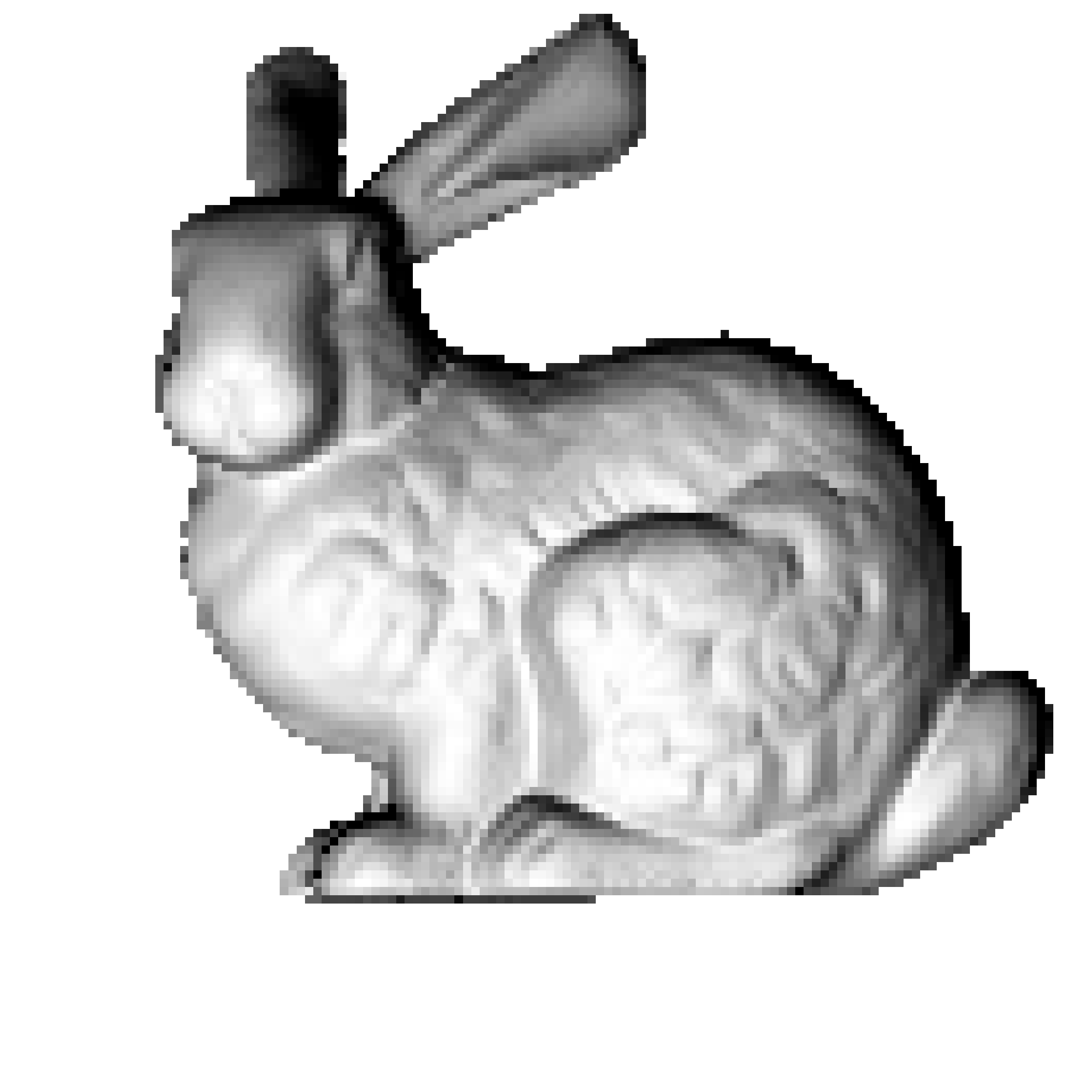
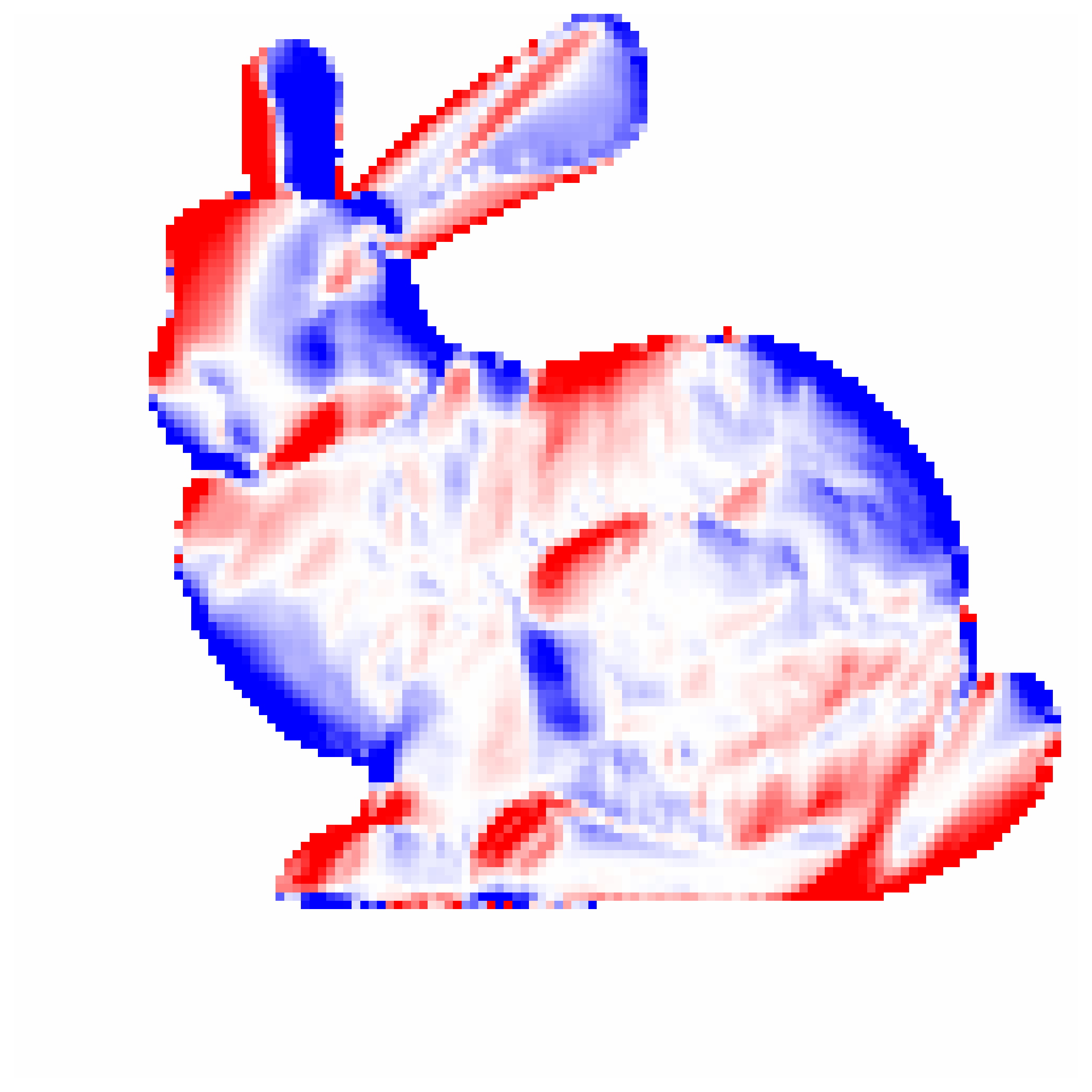
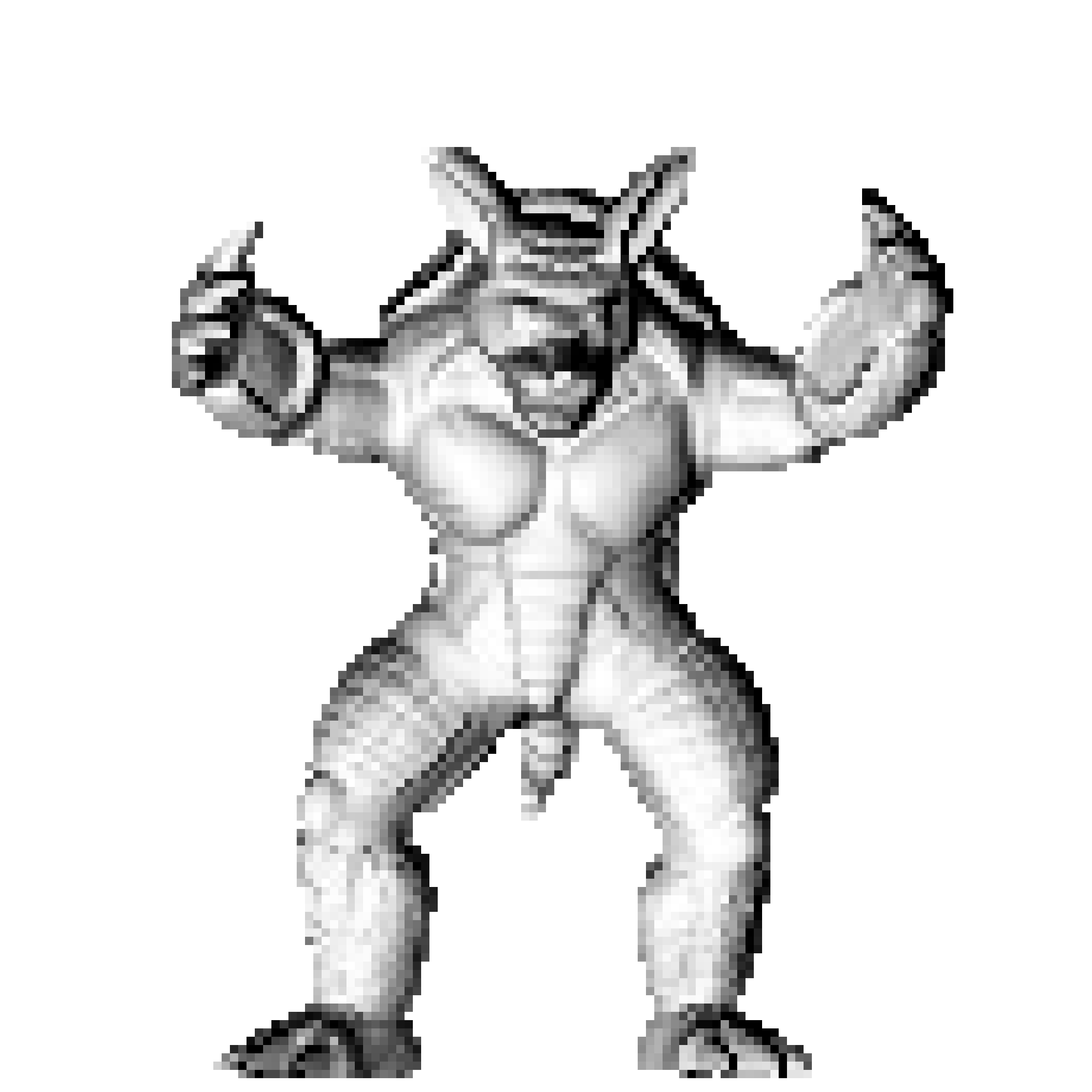
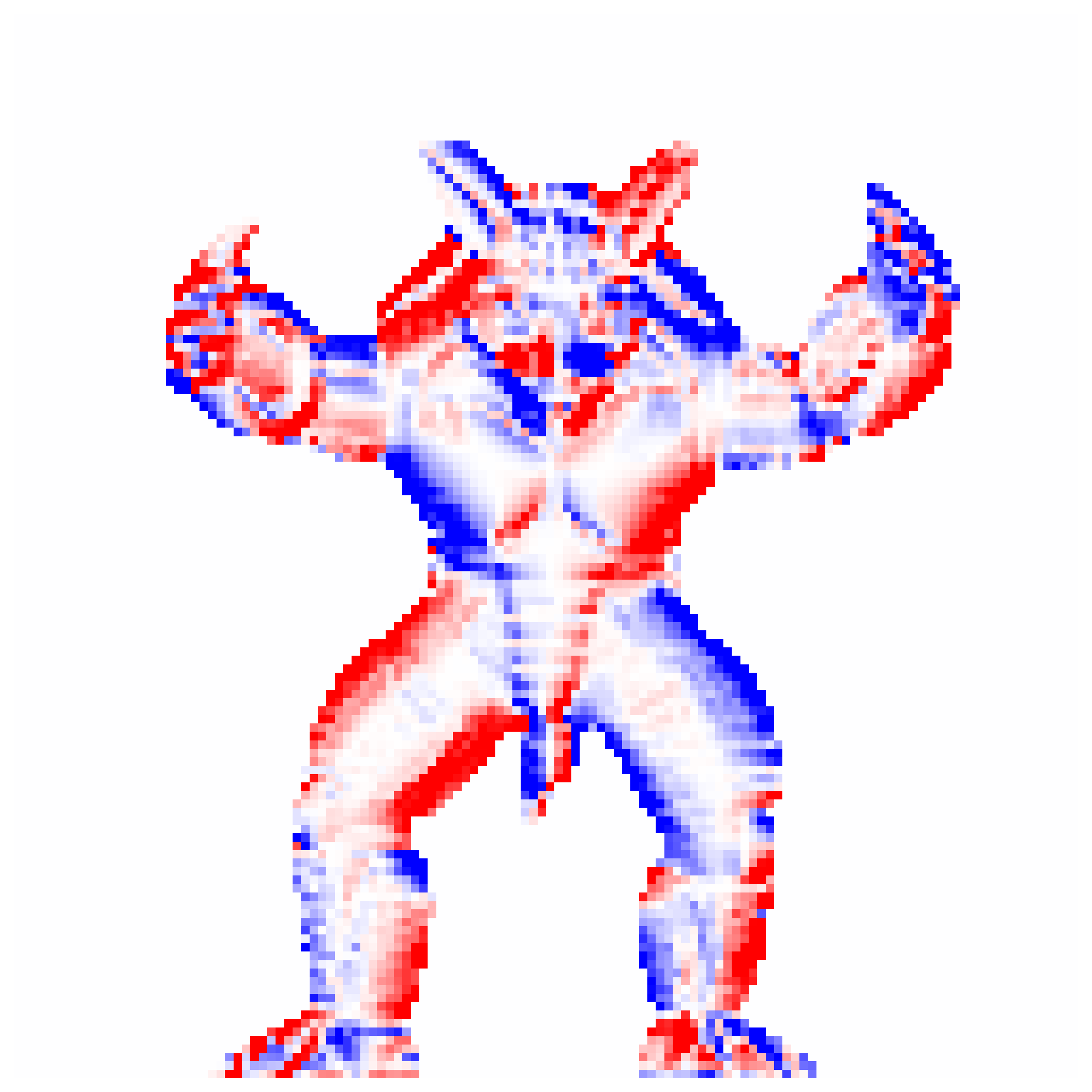
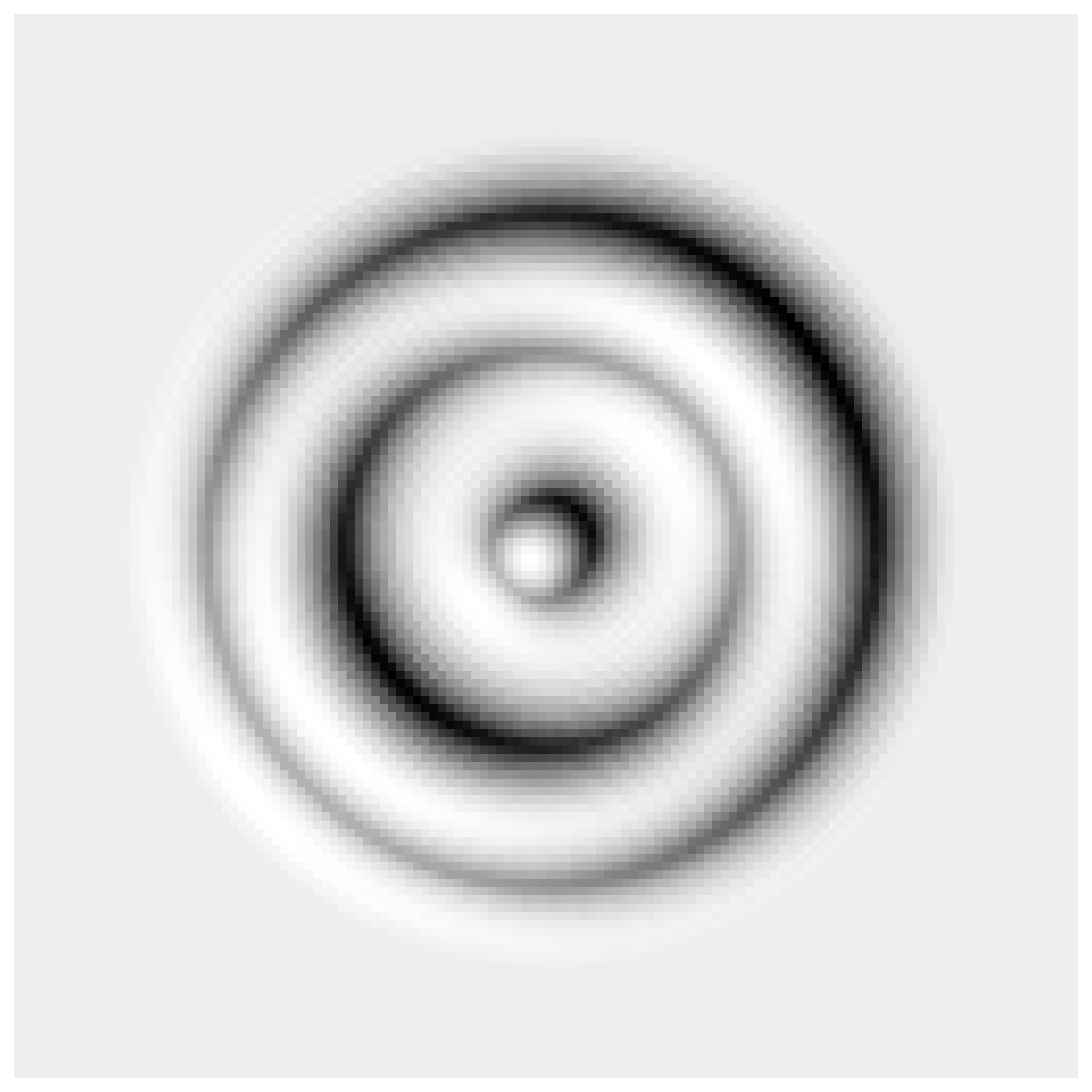
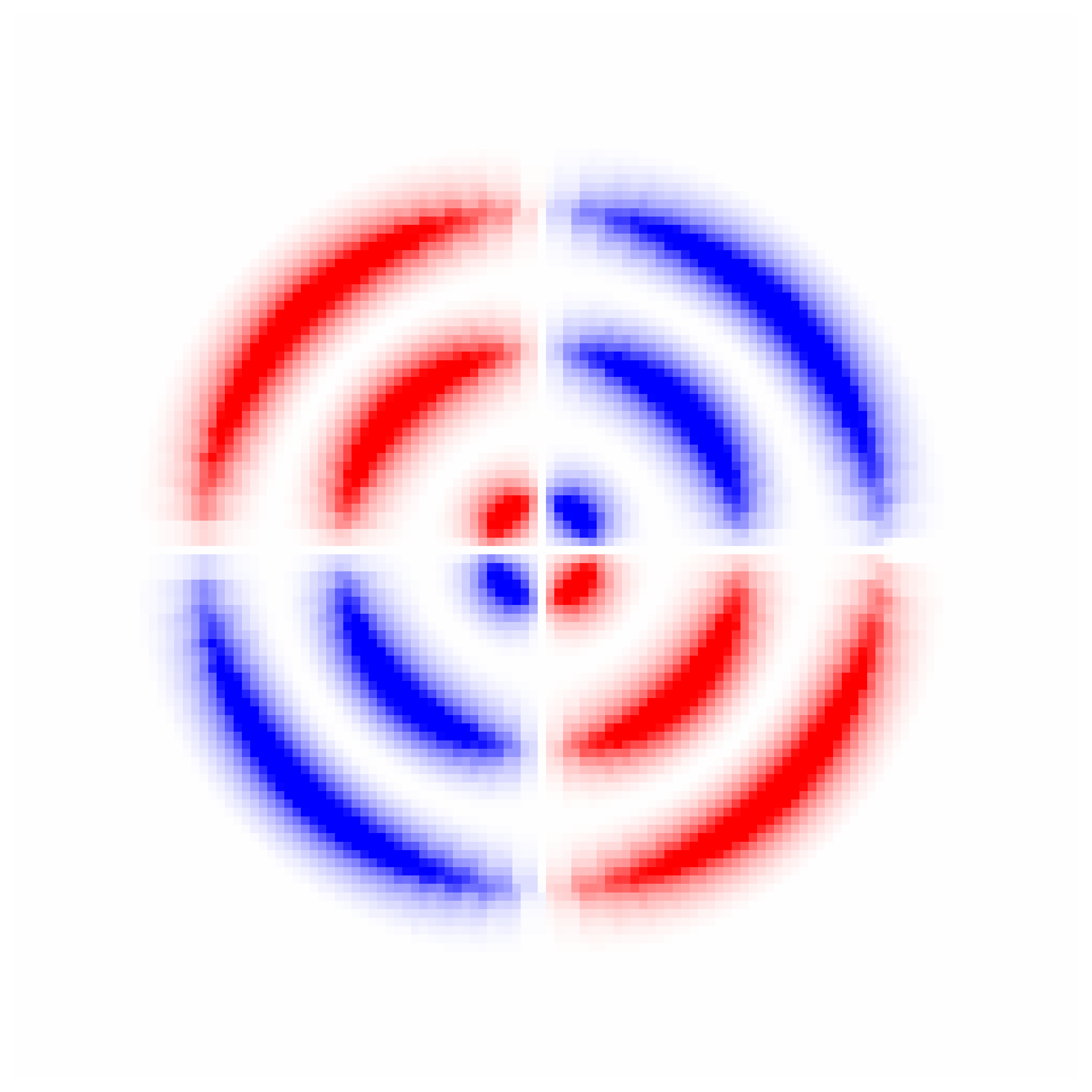
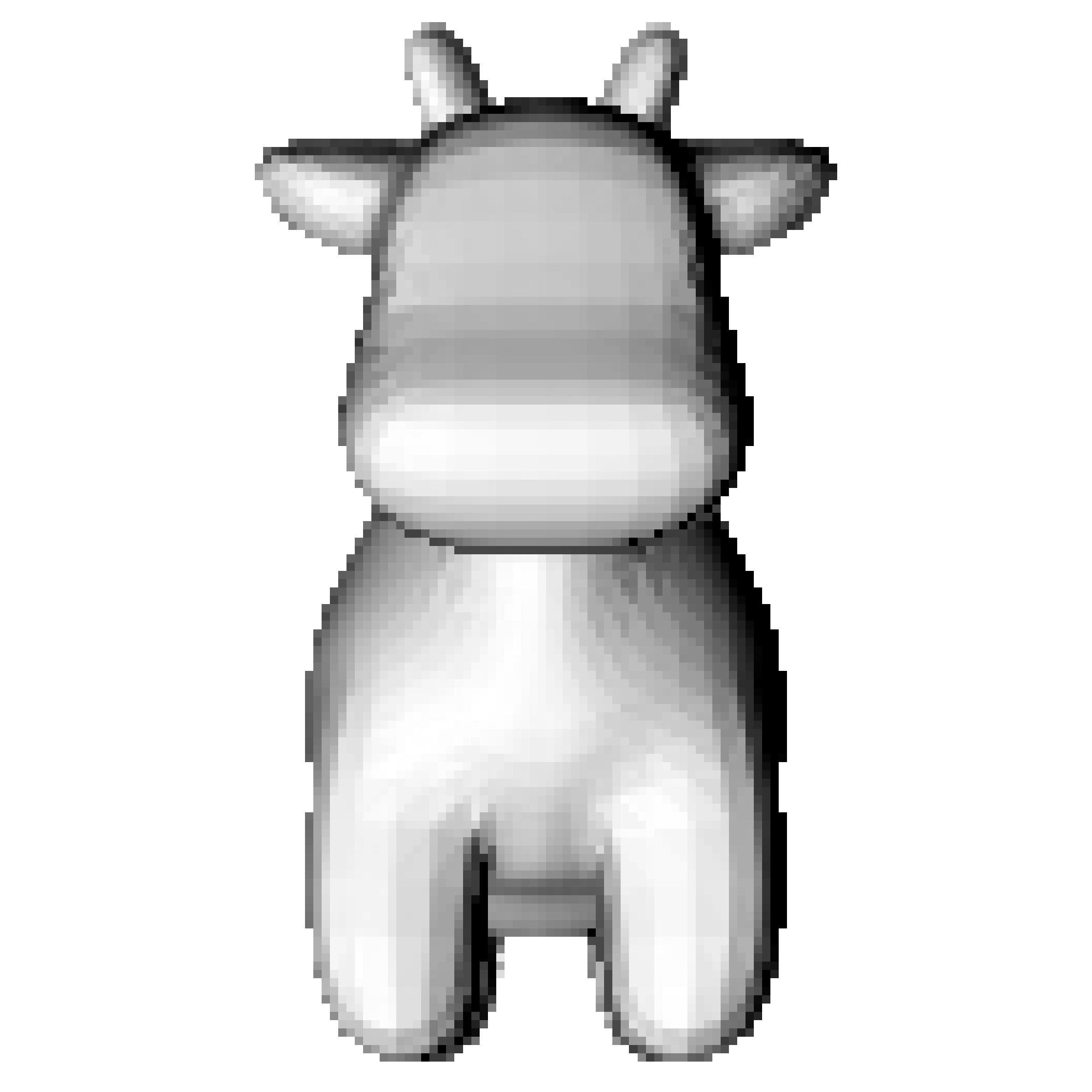
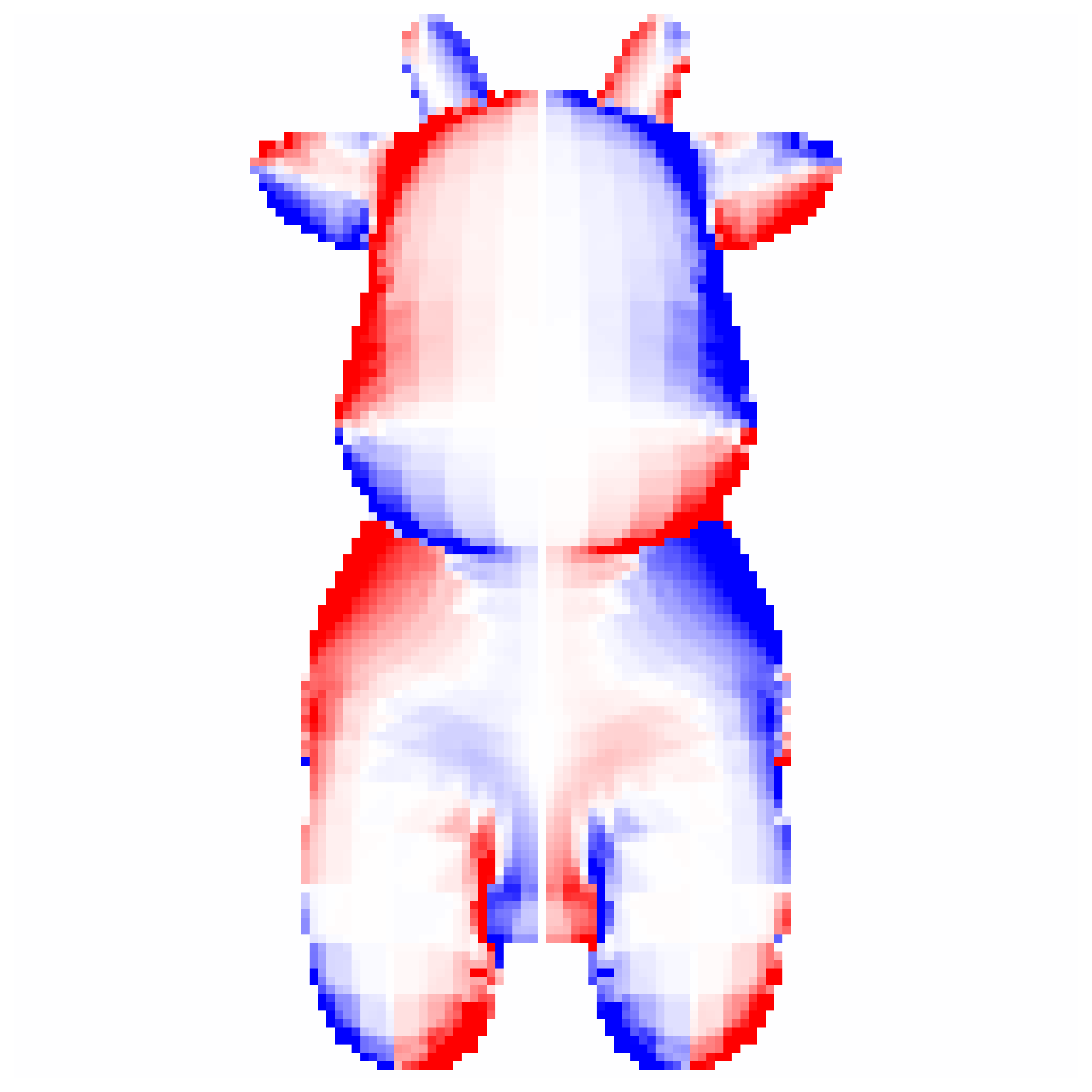
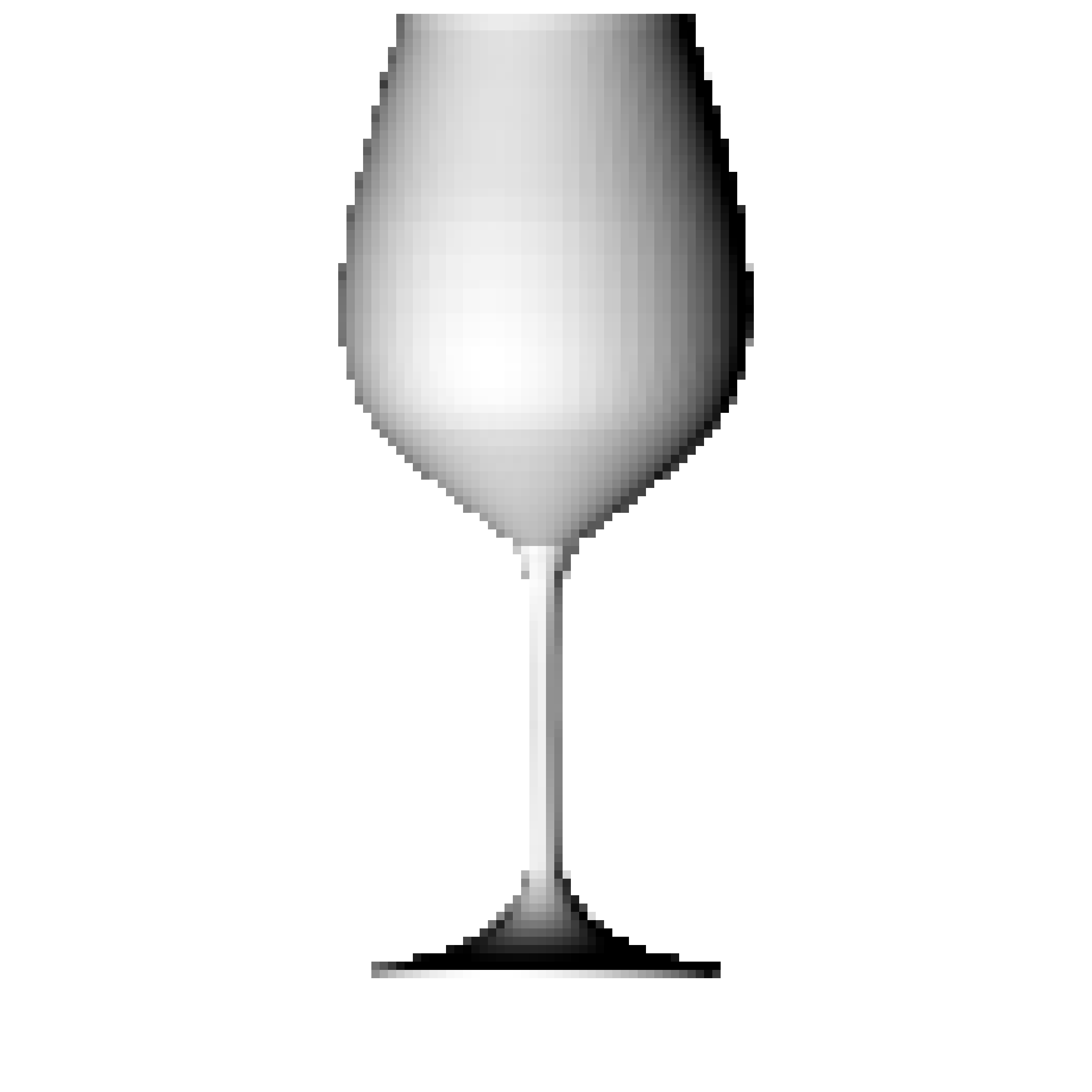
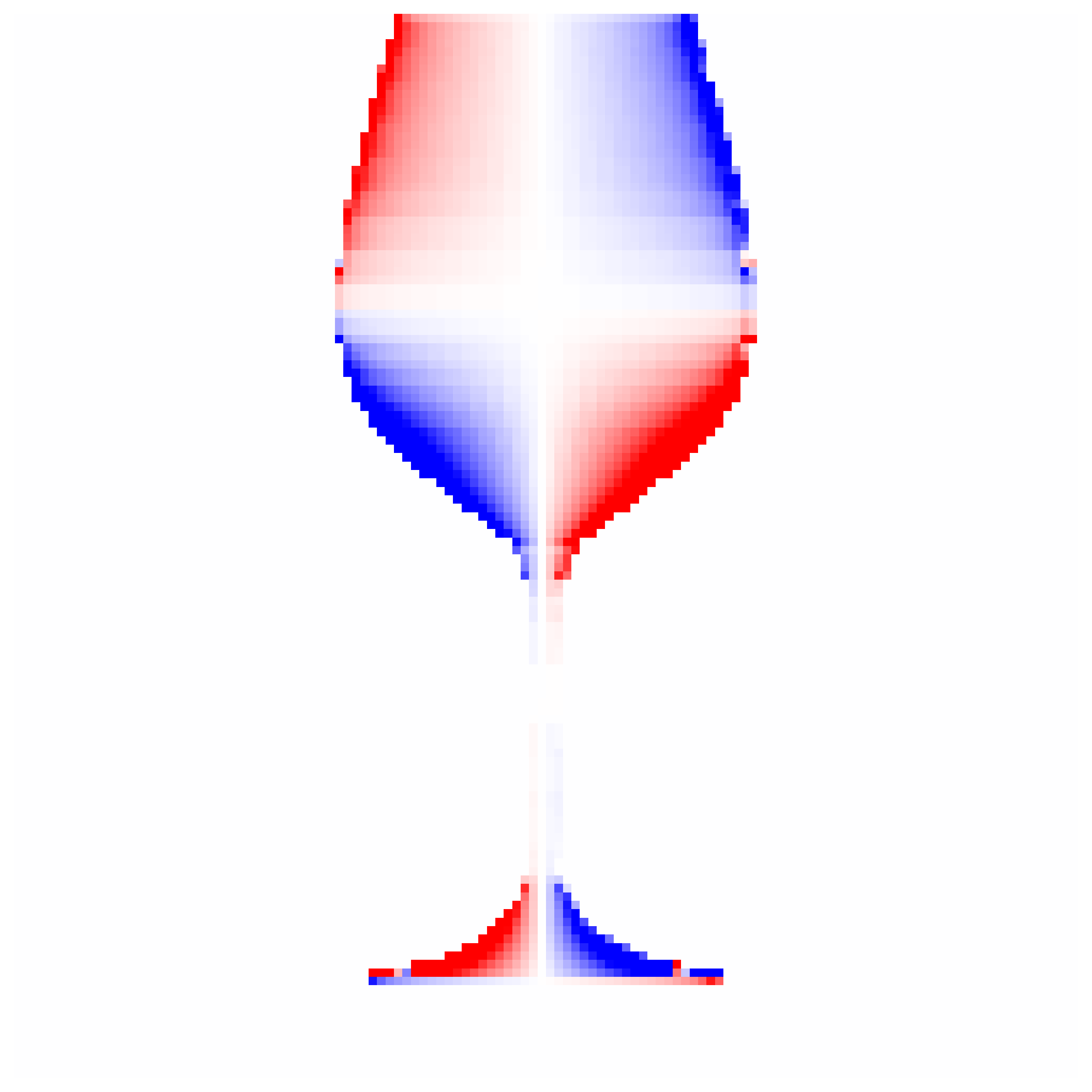
Shape from shading using a single image of a Lambertian surface is inherently ambiguous. When the light source direction is known, the surface normal estimation has a cone-ambiguity, which worsens when the source is unknown. Recently, shape from heat conduction has emerged as an approach that leverages heat transport equations to estimate the Shape Laplacian operator, an intrinsic measure of shape. However, deriving surface normals from the Laplacian operator encounters a local binary convex/concave ambiguity. We introduce a novel theory to resolve these local shape ambiguities (excluding a few degeneracies) without relying on priors like smoothness, by combining the cues from shading and heat conduction. Our method ensures the mathematical constraints of both shading and the Laplacian are satisfied simultaneously, even with an unknown light source. We validate our theory through simulations of complex shapes and analyze its performance in the presence of noise, as well as on a noisy single thermal video of real-world objects with complex shapes and material properties, including varying albedo.
At each surface point, heat conduction provides the Laplacian of depth (∇²z), encoding local concavity/convexity. The observed shading under directional light encodes a cone of possible normals. Coupling these two constraints in a closed-form derivation selects the unique normal consistent with both, eliminating the two-fold ambiguity of SfL and the infinitely-many ambiguities of SfS.
Comparison of SFLS (ours) against Shape-from-Shading (SfS), Shape-from-Laplacian (SfL),
and Analysis-by-Synthesis across six synthetic objects.
Our method recovers accurate shapes without priors, under unknown lighting.
(Reconstructions on the right are interactive for Bunny, Droplet, Igea, Wineglass.)
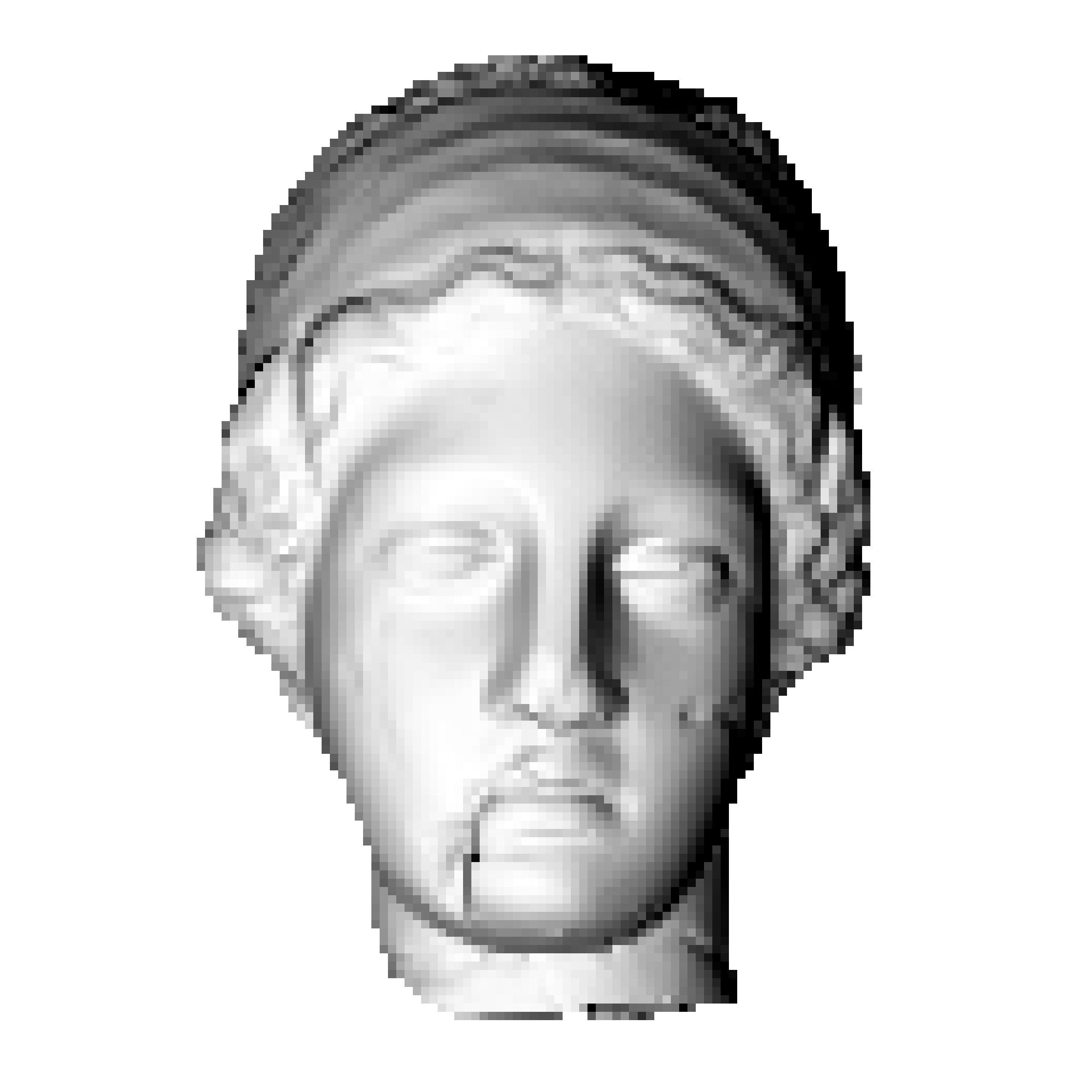
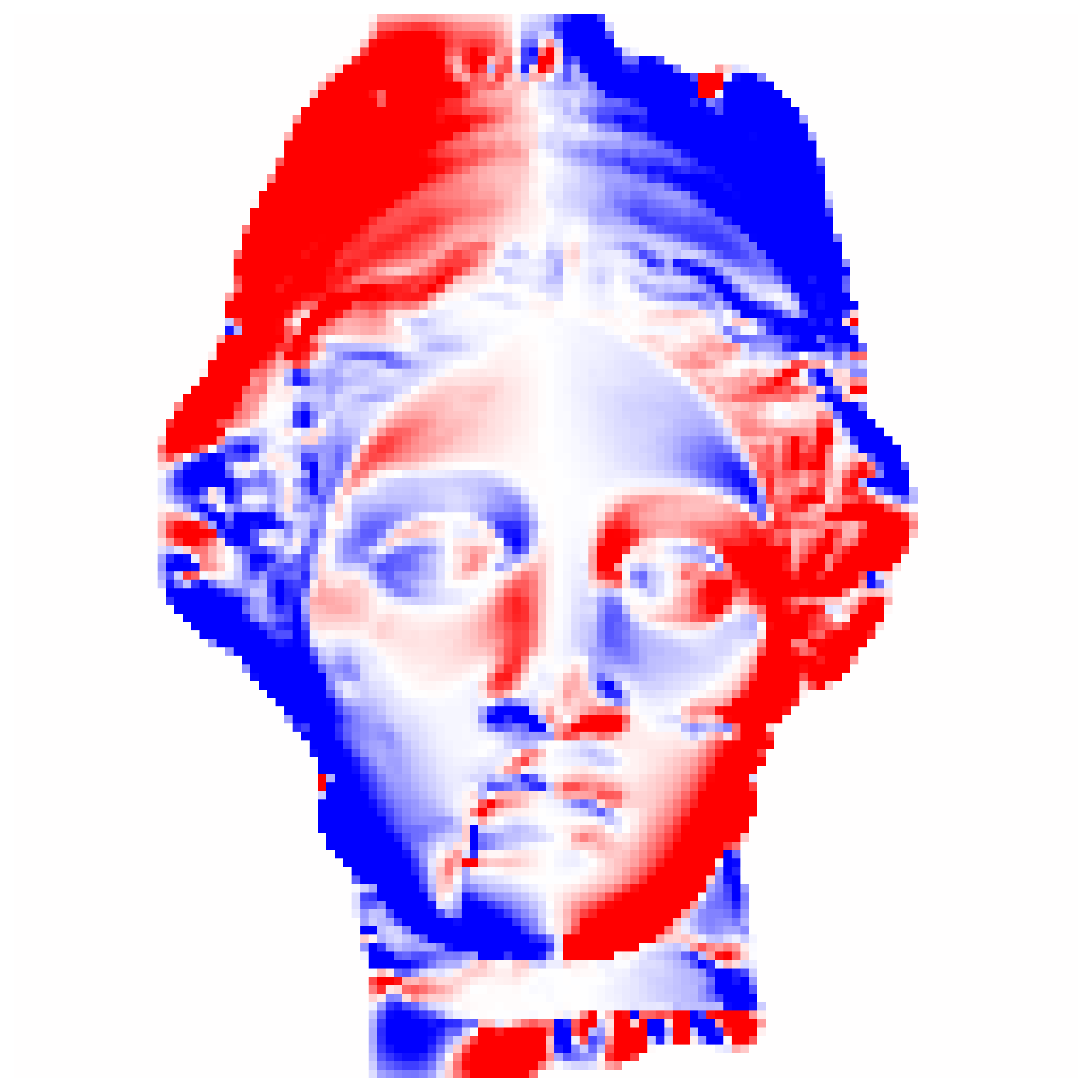
We evaluate on real objects captured with a FLIR thermal camera and a visible-light camera. SFLS produces sharper, more accurate shapes compared to the Shape-from-Heat-Conduction (SFHC) baseline.